Filter by
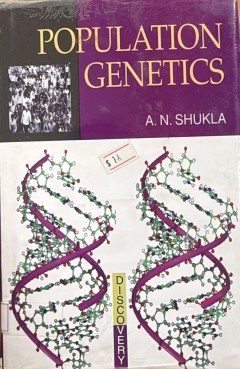
Population Genetics
A concise introduction to population genetics, covering statistical foundations, Hardy–Weinberg equilibrium, genetic drift, selection, mating systems, polygenic traits, and speciation. Appropriate for undergraduate students or as a reference for geneticists.
- Edition
- 1st Edition
- ISBN/ISSN
- 978‑8183563833
- Collation
- -
- Series Title
- -
- Call Number
- 575,1 S562
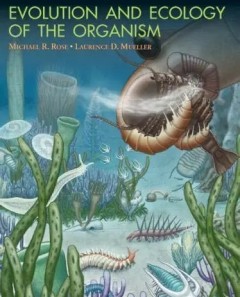
Evolution and Ecology of the Organism
This Darwinian biology textbook introduces key concepts—population genetics, ecology, evolution, systematics, morphology—using an engaging “magazine-style” format aimed at sophomores and juniors. It emphasizes the interplay between organism and environment to prepare students for advanced topics .
- Edition
- 1st Edition
- ISBN/ISSN
- 0130104043
- Collation
- -
- Series Title
- -
- Call Number
- 576,8 R795

The Norton Anthology of American Literature. Volume C: Late Nineteenth Centur…
Volume C of the Norton Anthology includes key texts from the late 19th century, representing a transition to realism and naturalism. Writers such as Mark Twain, Henry James, Charlotte Perkins Gilman, and others explore themes of race, gender, industry, and identity in post-Civil War America.
- Edition
- Seventh Edition
- ISBN/ISSN
- 978-0-393-92741-2
- Collation
- 1176
- Series Title
- -
- Call Number
- 104 LIT
educational media yearbook 1975-1976
- Edition
- 1
- ISBN/ISSN
- -
- Collation
- -
- Series Title
- -
- Call Number
- -
- Edition
- 1
- ISBN/ISSN
- -
- Collation
- -
- Series Title
- -
- Call Number
- -
Advances in Applied Microbiology, Volume 42
A collection of current reviews and protocols in applied microbiology, supported by extensive bibliographies. Contains chapters on Bt insecticidal proteins, lactic acid production, biodegradable polyesters, phytase, and Bacillus strains, with praise from ASM News and Biopharm
- Edition
- 1st Edition
- ISBN/ISSN
- 0120026422
- Collation
- -
- Series Title
- -
- Call Number
- 576 N397
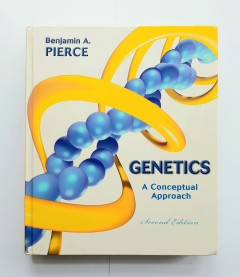
Genetics: A Conceptual Approach
A pedagogical text aimed at introductory genetics courses. Focuses on core concepts and problem-solving without overwhelming detail. Includes clear explanations, abundant diagrams, and end-of-chapter review problems. Reflects decades of teaching experience.
- Edition
- 2nd Edition
- ISBN/ISSN
- 0716788810
- Collation
- -
- Series Title
- -
- Call Number
- 575,1 P615

INFORMATION AND COMMUNICATION THEORY
- Edition
- 1
- ISBN/ISSN
- 044278409 0
- Collation
- -
- Series Title
- -
- Call Number
- -
- Edition
- 1
- ISBN/ISSN
- 044278409 0
- Collation
- -
- Series Title
- -
- Call Number
- -

The Norton Anthology of American Literature. Volume D: Between the Wars 1914�…
This volume of the Norton Anthology covers American literature from 1914 to 1945, a period marked by modernism, war, and dramatic shifts in literary style and culture. It features works by authors such as T.S. Eliot, William Faulkner, F. Scott Fitzgerald, Langston Hughes, and others.
- Edition
- Seventh Edition
- ISBN/ISSN
- 978-0-393-92742-9
- Collation
- 2079
- Series Title
- -
- Call Number
- 105 LIT
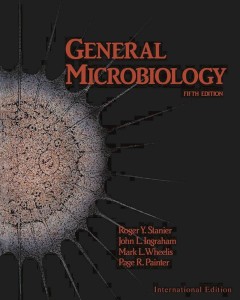
General Microbiology
Presents microbiology through a general biology lens. Features concise chapters on methods, structure, metabolism, growth, environmental influences, genetics, and classification. Introduces major microbial groups in 13 detailed chapters
- Edition
- 5th Edition
- ISBN/ISSN
- 0333417682
- Collation
- -
- Series Title
- -
- Call Number
- 576 S786

MATHEMATICAL STRUCTURE OF FINITE RANDOM CYBERNETIC SYSTEMS
- Edition
- 1
- ISBN/ISSN
- 0-387-81174-5
- Collation
- -
- Series Title
- -
- Call Number
- -
- Edition
- 1
- ISBN/ISSN
- 0-387-81174-5
- Collation
- -
- Series Title
- -
- Call Number
- -
 Computer Science, Information & General Works
  Philosophy & Psychology
  Religion
  Social Sciences
  Language
  Pure Science
  Applied Sciences
  Art & Recreation
  Literature
  History & Geography